
Thinking About Dental Veneers in Scarborough, ON? Here’s Everything You Need to Know
Minor cosmetic dental concerns can gradually affect smile confidence, bite balance, and overall facial appearance. Chips, stains, uneven spacing, and worn enamel may develop from aging, injuries, grinding, or daily wear. Many people considering veneer treatment want cosmetic improvements that blend comfortably with their facial features while still looking balanced and realistic.
At Finch East Dental Care, veneer consultations focus on tooth shape, facial balance, enamel condition, and long-term oral health before cosmetic work begins. Modern aesthetic dentistry combines restorative procedures with smile-focused treatment planning to create balanced outcomes.
What Are Dental Veneers and How Can They Transform Your Smile?
Dental veneers are thin coverings attached to the front surfaces of teeth to improve shape, colour, spacing, and overall dental aesthetics. Veneers are commonly used for concerns involving:
- enamel defects
- tooth discoloration
- chipped teeth
- uneven tooth edges
- small spacing concerns
Some veneer cases also involve small adjustments to tooth shape and alignment to create better smile symmetry. Veneers may also be included as part of a broader restorative dentistry treatment plan when both cosmetic and structural concerns are present.
Modern veneer treatment often uses thin porcelain coverings because they reflect light similarly to natural enamel. Conservative veneer procedures also focus on preserving healthy tooth structure whenever possible.
Patients from nearby communities including Markham, Pickering, North York, Agincourt, and Toronto often consider veneers for subtle cosmetic enhancement and facial balance.
The Benefits of digital smile design in Customizing Your Veneers
Modern cosmetic dentistry frequently uses digital smile design to create more detailed veneer planning before treatment begins. Digital assessments allow dentists to evaluate tooth proportions, gum position, facial balance, and visible tooth structure during cosmetic evaluations.
This process may include:
- digital smile previews
- facial photographs
- bite measurements
- smile simulations
- shade comparisons
Digital planning allows patients to preview proposed veneer changes before treatment begins. This process also helps dentist near you to evaluate tooth length, contour, and bite balance more accurately.
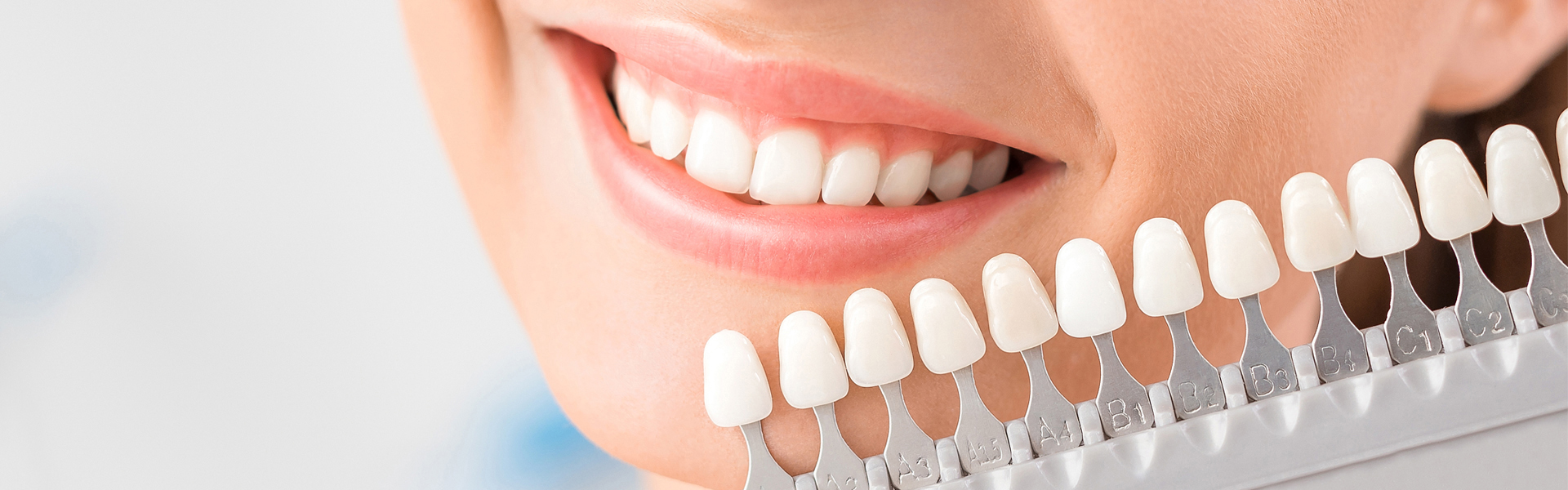
Many veneer cases also use shade matching technology to create smoother transitions between veneers and surrounding teeth. Small shade differences can significantly affect overall cosmetic harmony.
In more complex situations, digital imaging may also help identify concerns involving uneven bite pressure or alignment issues before restorations are completed.
Understanding the Different Types of Veneers: Porcelain vs Composite
Patients considering veneers are often deciding between porcelain and composite materials. Both options improve visible imperfections, but the materials differ in durability, stain resistance, and maintenance needs.
Porcelain veneers are commonly selected because they:
- resist staining more effectively
- reflect light more naturally
- maintain colour stability longer
- provide stronger surface durability
Composite veneers are often completed more quickly and may involve less enamel removal in certain cases. These restorations frequently use bonding materials to reshape visible tooth surfaces during the same appointment.
Some veneer cases also require limited enamel preparation before placement begins. A minimally invasive veneer procedure helps preserve healthy tooth structure while creating enough room for accurate veneer positioning.
Modern bonding methods strengthen the connection between veneers and enamel surfaces. During placement, the enamel surface is carefully prepared to improve bonding stability.
Correcting Tooth Discoloration and Imperfections with Veneers
Veneers are commonly used for cosmetic concerns that do not respond well to whitening alone. Deep staining, worn enamel, uneven edges, and certain shape irregularities may respond more predictably to veneers than whitening treatments.
Many cosmetic veneer cases involve:
- tooth morphology improvement
- correction of enamel irregularities
- reshaping uneven edges
- improving visible staining
- balancing tooth proportions
Porcelain veneers are frequently selected for patients with moderate or severe tooth discoloration because ceramic materials provide stronger stain masking than some composite materials.
Modern ceramic veneer fabrication methods also improve restoration precision and surface detail. Careful contouring helps veneers appear more proportionate while supporting comfortable bite function during chewing.
Not every veneer case is the same. Some patients with worn enamel or previous restorations may also require minor bite adjustments before veneer placement to reduce uneven pressure across the teeth.
Choosing the Best Dentist for Veneers in Scarborough, ON
Choosing a veneer provider involves more than reviewing before-and-after photographs. Cosmetic evaluations should also consider enamel condition, bite stability, gum health, and long-term maintenance needs.
A veneer consultation may include:
- digital scanning
- smile photography
- bite evaluation
- shade selection
- enamel assessment
Finch East Dental Care provides veneer consultations for patients across Scarborough and nearby communities including Rouge, East York, Malvern, and Pickering. Treatment recommendations are customized according to cosmetic goals, oral health findings, and overall tooth condition.
Many people considering veneer treatment prefer conservative cosmetic planning that preserves healthy enamel whenever possible while maintaining realistic tooth proportions and facial balance.
Modern veneer care may also involve elements of cosmetic dental restoration when both functional and cosmetic concerns affect the teeth together.
Frequently Asked Questions
How long do dental veneers usually last?
With proper care and regular dental checkups, dental veneers can typically last 10 to 15 years or longer, depending on the material used and your oral hygiene habits.
Are porcelain veneers permanent?
Porcelain veneers usually involve some enamel modification, making the procedure long-term and generally irreversible.
Can veneers fix stained and chipped teeth?
Yes. Veneers are commonly used to improve discoloration, chips, uneven edges, and minor spacing concerns.
Modern veneers are designed to match natural tooth colour, contour, and light reflection for a more balanced appearance.