
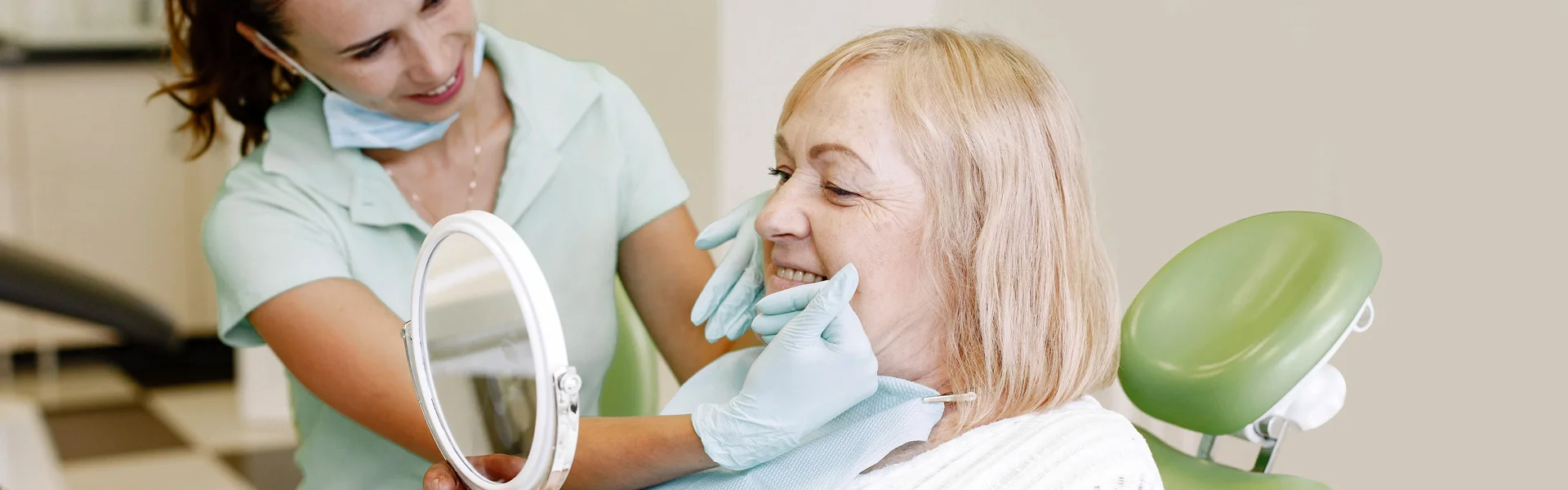
Scarborough’s Guide to Preventive Dental Care for Seniors
As adults grow older, dental concerns such as gum health, tooth wear, and dry mouth become more common. Over time, factors such as natural tooth wear, medical conditions, certain medications, and reduced saliva production can affect oral health. If left unaddressed, these changes can increase the risk of cavities, gum disease, and oral discomfort.
For older adults, preventive dental care plays an important role in maintaining comfort, function, and overall well-being. Preventive dentistry emphasizes monitoring changes and addressing concerns before they develop into more complex issues.
Preventive dentistry helps seniors identify dental concerns early and make informed decisions about their care.
Why Preventive Dental Care Matters for Seniors
Preventive dentistry prioritizes early identification of dental issues to reduce the likelihood of more extensive treatment. For seniors, this approach is especially important because dental concerns may progress more quickly or become harder to manage with age.
Preventive dental care for seniors involves regular monitoring of gum health, tooth wear, existing restorations, and oral tissues. Early detection may help lower the risk of infections, tooth loss, and discomfort that can interfere with eating or speaking.
Preventive visits also allow dental professionals to adjust care plans based on age-related changes and existing medical conditions. This individualized approach helps ensure that dental recommendations remain appropriate as health needs evolve.
Common Oral Health Concerns as We Age
Aging affects the mouth in several ways. These age-related changes highlight the importance of consistent dental care for seniors.
Common dental concerns associated with aging teeth care include:
- Increased tooth wear or thinning enamel
- Gum recession and tooth sensitivity
- Dry mouth related to medications or health conditions
- Higher risk of gum disease
- Wear or failure of older dental restorations
Addressing these concerns early can help maintain oral function and reduce the likelihood of urgent dental problems. Regular monitoring allows changes to be tracked over time rather than treated reactively.
The Role of Routine Dental Exams
Regular dental examinations play a key role in supporting oral health for older adults. These visits involve more than standard cleanings and typically include evaluations of gum health, bite alignment, oral tissues, and existing dental work.
During routine dental exams, providers may:
- Detect cavities or gum disease in early stages
- Monitor changes in oral tissues
- Assess the condition of crowns, bridges, dentures, or implants
- Review home care routines and hygiene techniques
For seniors, consistent exams provide continuity of care. Tracking changes over time helps dental professionals tailor recommendations and anticipate future needs more effectively.
Finding the Right Dental Support in Scarborough
Choosing the right dental provider is an important step in maintaining oral health later in life. Many older adults begin by searching for a dentist near me who understands age-related dental concerns and provides patient-centered care.
Working with a dentist in Scarborough who has experience treating older patients can support more personalized care planning. Some individuals may also prefer a dentist for seniors Scarborough who is familiar with mobility considerations, medication interactions, and comfort-focused approaches.
Clear communication and a supportive environment help reduce stress during dental visits and encourage consistent attendance.
How Preventive Care Supports Overall Well-Being
Untreated dental issues can affect nutrition, speech, and quality of life. Maintaining senior oral health care through preventive visits supports daily comfort and independence.
Preventive care for seniors may also involve:
- Guidance on brushing and flossing techniques suited to dexterity needs
- Recommendations for managing dry mouth
- Monitoring for signs of oral infections or lesions
- Advice on caring for dentures, bridges, or implants
Together, these measures help maintain oral stability and comfort over time.
Making Preventive Care a Routine
Establishing a consistent dental routine helps seniors stay ahead of potential issues. Preventive visits allow providers to monitor changes gradually and adjust care plans as needed.
For many older adults, preventive care helps reduce the risk of unexpected dental problems and supports long-term oral function. Consistency plays a key role in maintaining comfort and avoiding avoidable complications.
Final Thoughts
Preventive dental care is a proactive way for seniors to protect their oral health and overall well-being. Through routine dental exams, early detection, and age-appropriate care strategies, older adults can maintain comfort, function, and confidence in their smiles.
For seniors seeking preventive-focused dental care in Scarborough, Finch East Dental Care provides guidance and treatment planning tailored to older patients’ needs.